

The projects activated by the Regional Innovation Network RIBES-Nest for the Health Ecosystem and Smart Food operate in the areas of specialization Smart Agrifood and Sustainable Living.
THE AGRICULTURE OF THE FUTURE AND FUNCTIONAL FOODS: A CHALLENGE FOR RESEARCH AND THE REVITALIZATION OF THE VENETO REGION (F.A.&A.F.)
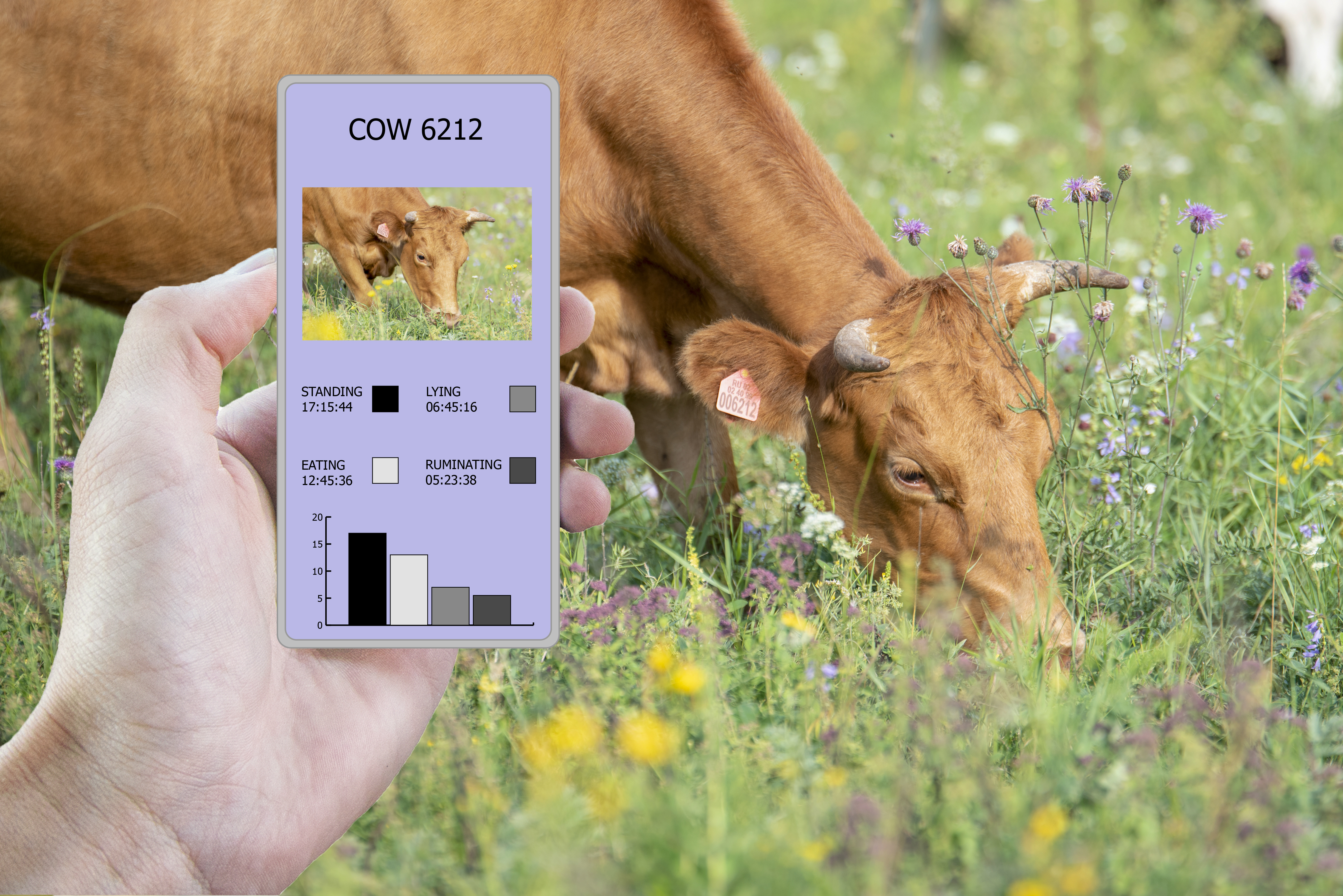
The F.A.&A.F. project is based on identifying suitable methodologies and tools for characterizing raw materials from a food safety and traceability perspective, through automation and digitalization of production processes, new analytical methodologies for microbiota studies, impacting environmental and economic sustainability with the objective of supporting business income and regional competitiveness.
The F.A.&A.F project aims to implement an R&D intervention focused on improving foods through the study and valorization of agricultural raw materials, with positive implications for the health and well-being of animal and plant organisms.
The project also aims to study the impact of climate change on the phenology, productivity, and quality of plant production of horticultural-fruit and medicinal-officinal species for the development of nutrition plans, irrigation, and low environmental impact defense methods.
The project’s objectives also involve the characterization of new functional foods that could improve immune response by interacting with the intestinal microbiota of animals of zootechnical interest (specifically monogastric animals) to define guidelines to be extended in the future to the human organism as well.
KEYWORDS
ECODESIGN AND RECYCLING OF PPE IN A CIRCULAR INDUSTRIAL SUPPLY CHAIN (ECODPI)

The general objective of the ECODPI project is the valorization of waste from the use of personal protective equipment (PPE), including medical devices. The objective is pursued by studying the key phases of a potential circular supply chain for the production of such devices.
The first step will be defining a sustainable production model for PPE production and management that ensures the integration of specific competencies and production capacities now fragmented and dispersed throughout the region.
Another objective of the project will be the production of new knowledge on topics such as: ecodesign, regenerative materials, waste hierarchy, transferable to different application areas and other production supply chains with a view to applying circular economy principles in an integrated territorial production supply chain, in accordance with the Circular Economy Action Plan promoted by the EU to accelerate the transition indicated by the European Green Deal.
KEYWORDS
3S_4H SMART FOOD FOR A SUSTAINABLE FUTURE

The 3S_4H project falls within the Smart Agrifood smart specialization area, with reference to raw material control and the subsequent product transformation phase of the sectors to which the partnership companies belong.
The activities currently being implemented are mainly: valorizing the innovation of the companies involved; developing specific research actions, goods, and services for food safety and traceability (WP1); identifying new “Smart Food” components and methodologies (WP2) applicable to food products; using research results to implement the competitive capabilities of businesses and valorize existing and/or potential bioeconomy (WP3).
The project also aims to develop active and ongoing partnerships with Knowledge Entities; use the RIBES-Nest network as a “radar for emerging technologies” and “development catalyst” for a competitive advantage of the group or individual company that identifies Smart Food as one of the tools for attention to the Health Ecosystem (WP4).
KEYWORDS
NIP NEW INDUSTRIAL PLAN FOR VENETO DAIRY SECTOR

The NIP project falls within the Smart Agrifood smart specialization area, with reference to the raw material control sectors and the subsequent transformation phase of dairy products, and aims to support the dairy sector through the implementation and consolidation of collaborations between businesses and the research world; especially through the introduction of new R&D methodologies and applications.
Research activities are conducted within several sectors necessary for the consolidation and development of the industry. For example, in the area of food safety (WP2), rapid methods for determining certain pathogens are applied and developed. WP3 addresses whey recovery. WP4 aims to improve raw materials by ensuring the welfare and resilience of farmed animals, as well as mitigating environmental impact with innovative techniques based on genomic analysis and infrared spectroscopy. Industrial research methods related to extending product shelf-life are applied, focusing on sensors and innovative packaging.
The technologies used are: micro and nanoelectronics, photonics, and nanotechnologies, based on sensors with new spectroscopic sources and miniaturized electronic components. One of the activities generating synergy among all partners involved in the NIP project concerns the activities planned in WP5, in which LCA and LCC costing analyses are performed in various production processes.
KEYWORDS
NEW LICENSING AND TECHNOLOGIES: PRODUCTS AND BEST PRACTICES TO IMPROVE EXPORT – NEWLITECHBESTEXPO

NewLiTechBestExpo is a research project aimed at improving competitiveness and promoting the export of participating companies operating in the Smart Manufacturing and Smart Agrifood sectors and in the health field.
The project’s objective is both to improve the performance of individual companies and to implement a common model capable of incorporating best practices related to internationalization, optimizing and integrating promotion in foreign markets. The third objective is the transfer, consistent with industrial privacy policies, of methodologies and experiences within the participants and the RIBES-Nest Network.
The intervention may activate new collaborations, leading to the signing of new commercial contracts and the creation of advertising campaigns for the development and launch of new products, the drafting of corporate and business communications aimed at distributors and potential new customers.
Following the implementation of the intervention, a significant increase in company personnel dedicated to internationalization and export has been observed, strengthening a fundamental component for the economic growth of companies.
KEYWORDS
SHARING METHODOLOGIES FOR SMART FOOD EXPORT – COMEEXPO

The CoMeExpo project aims to improve the export model of individual participating companies through the sharing of experiences among participants to transfer (consistent with company privacy) the most positive methodologies and experiences within the RIBES-Nest network and its other Members.
The intervention utilized qualified professionals from both external suppliers and TEM to develop a strategy for trade fair participation, developing a common path to improve their communication tools and internal booth setup.
The participating companies identified the absence of a modular and planned approach to their internationalization strategies as a common problem, which is not always addressed in an organic manner.
Often the identification of actions related to the choice of countries where they intend to export are dictated by current needs and/or the necessity to be present in certain markets where opportunities for commercialization and export of their products have been identified.
From these considerations comes the idea of implementing a series of activities aimed at sharing the experiences, both positive and negative, of the Network Partners proposing the project to identify tools and methodologies suitable for individual business realities capable of optimizing the results of internationalization actions undertaken.
KEYWORDS